Neighborhood guides
Understand the neighborhood before the home
Every guide answers the same questions: who is this area for, what does it cost, how's the commute — and what are the honest trade-offs?
A useful first comparison
Tucheng, Banqiao, or Zhonghe? There is no universal winner
Use daily life, commute, and housing pattern to narrow the field before looking at an individual home. This is a starting point, not a verdict.
Tucheng
- Life & commute
- Quieter pace with direct Blue Line access into Taipei
- Housing
- Older neighborhoods and elevator buildings sit side by side; station-by-station differences matter
- Trade-off
- Trades retail density for a more settled feel; compare the stations rather than generalize
Read the full area guide →
Banqiao
- Life & commute
- More transport choices, denser amenities, and a busier daily rhythm
- Housing
- A wide mix from older walk-ups to newer towers; compare like with like
- Trade-off
- Trades convenience for more intensity and a more demanding budget comparison
Read the full area guide →
Zhonghe
- Life & commute
- Multiple routes and strong everyday convenience, with pronounced block-by-block variation
- Housing
- Older walk-ups and resale buildings are common; check elevators, light, and management in person
- Trade-off
- Trades convenience for more careful screening of condition and street feel
Read the full area guide →
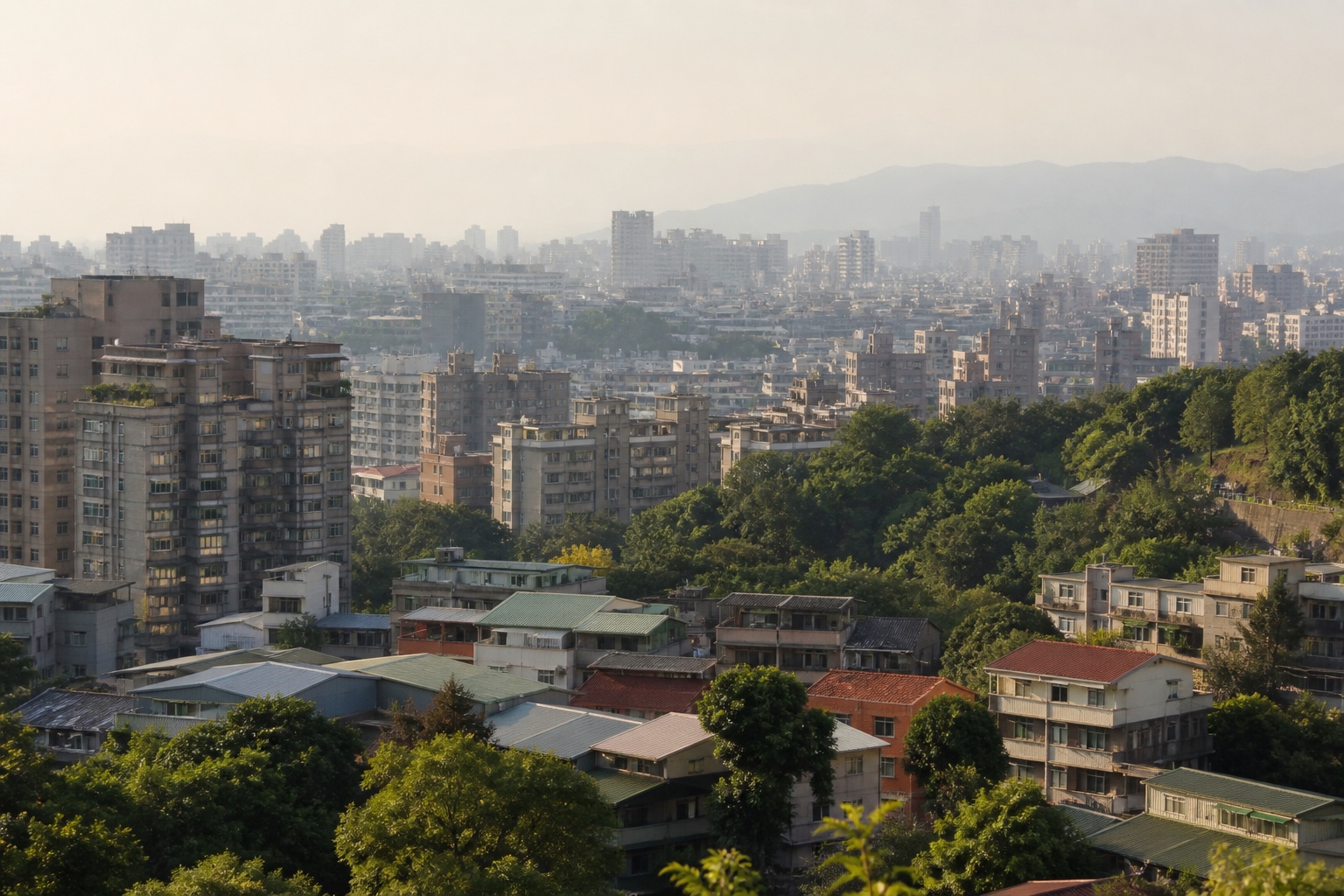
Tucheng
A quieter corner of the Blue Line, transforming from old town to tech corridor
Tucheng sits at the southern end of the Blue Line, and it's one of the New Taipei districts that's changed the most in the past decade. Older residents still associate it with the Tucheng Detention Center and the Tucheng Industrial Zone, but heading south from Dingpu Station, the Dingpu Technology Park has been taking shape, drawing tech workers — including people connected to the Foxconn headquarters area — into the neighborhood.
Compare the area and station guides →
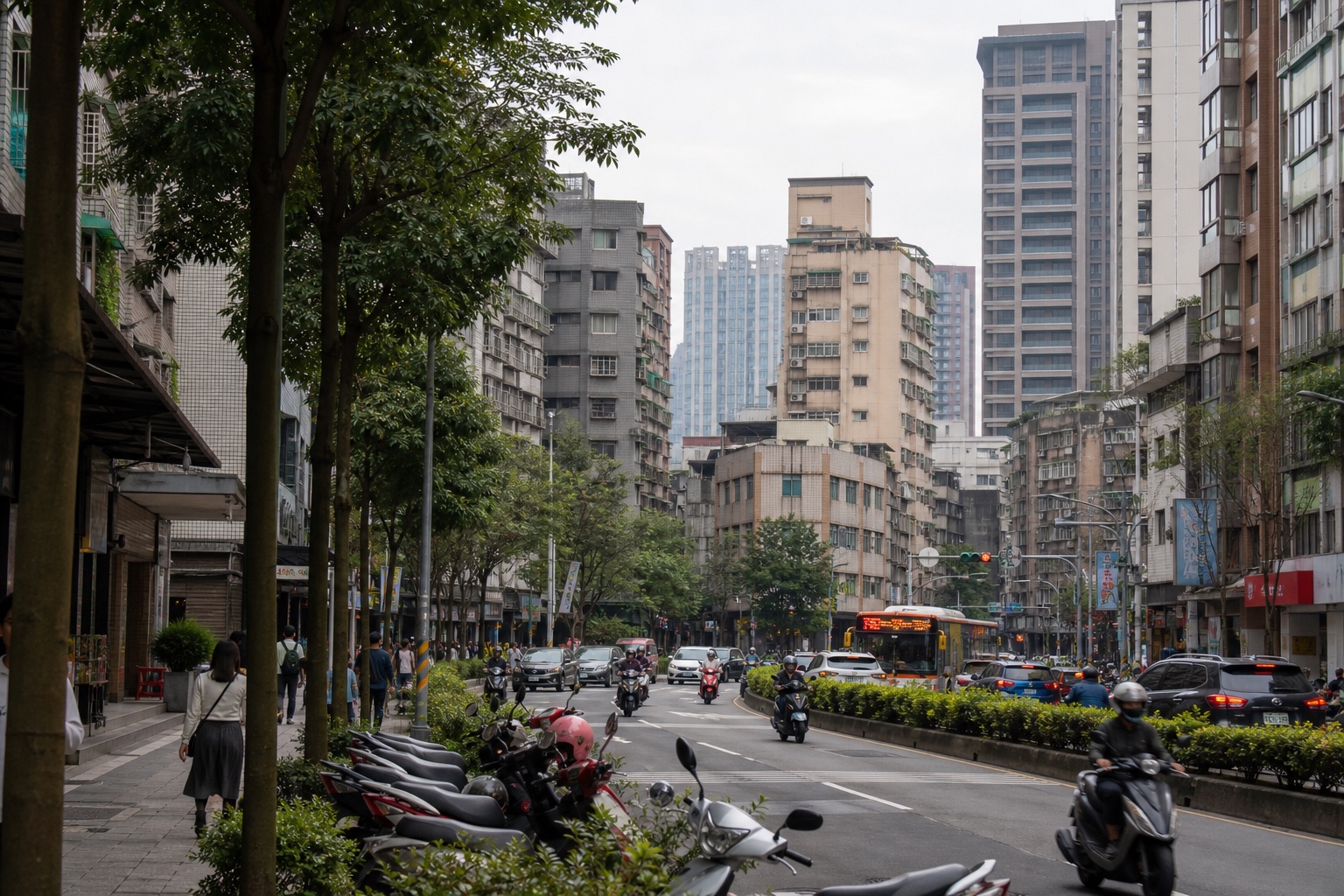
Banqiao
New Taipei's transit hub and beating commercial heart
Banqiao is home to the New Taipei City government and is one of the best-connected districts in the entire New Taipei area. Banqiao Station is where the Blue Line (BL07) meets the Circular Line (Y16), and it's also a stop for the Taiwan Railway, the High Speed Rail, and an intercity bus terminal — one station connects you to the main transit networks across northern and southern Taiwan.
Compare the area and station guides →
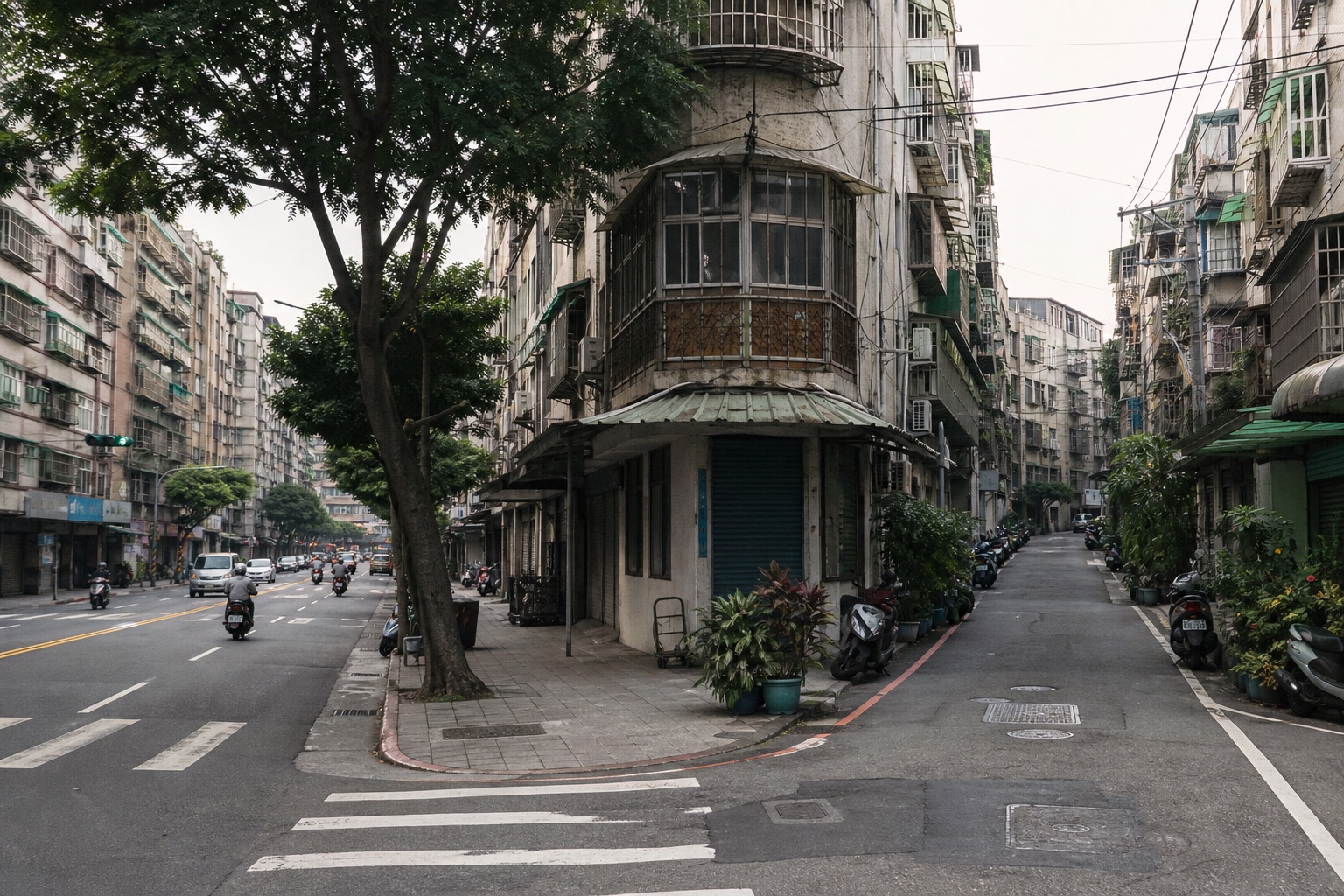
Zhonghe
A Circular Line neighborhood balancing old-town character with everyday value
Zhonghe is one of New Taipei's most densely populated districts, with a classic old-town layout — narrow lanes packed with small shops tucked between residential buildings. The Zhonghe-Xinlu Line's Nanshijiao (O01) and Jingan (O02) stations, plus the Circular Line's Jingan (Y11), Zhonghe (Y12), Qiaohe (Y13), and Zhongyuan (Y14) stations give the district solid MRT coverage — Jingan Station in particular is an important transfer point where the two lines meet.
Compare the area and station guides →
Tucheng4 neighborhoods
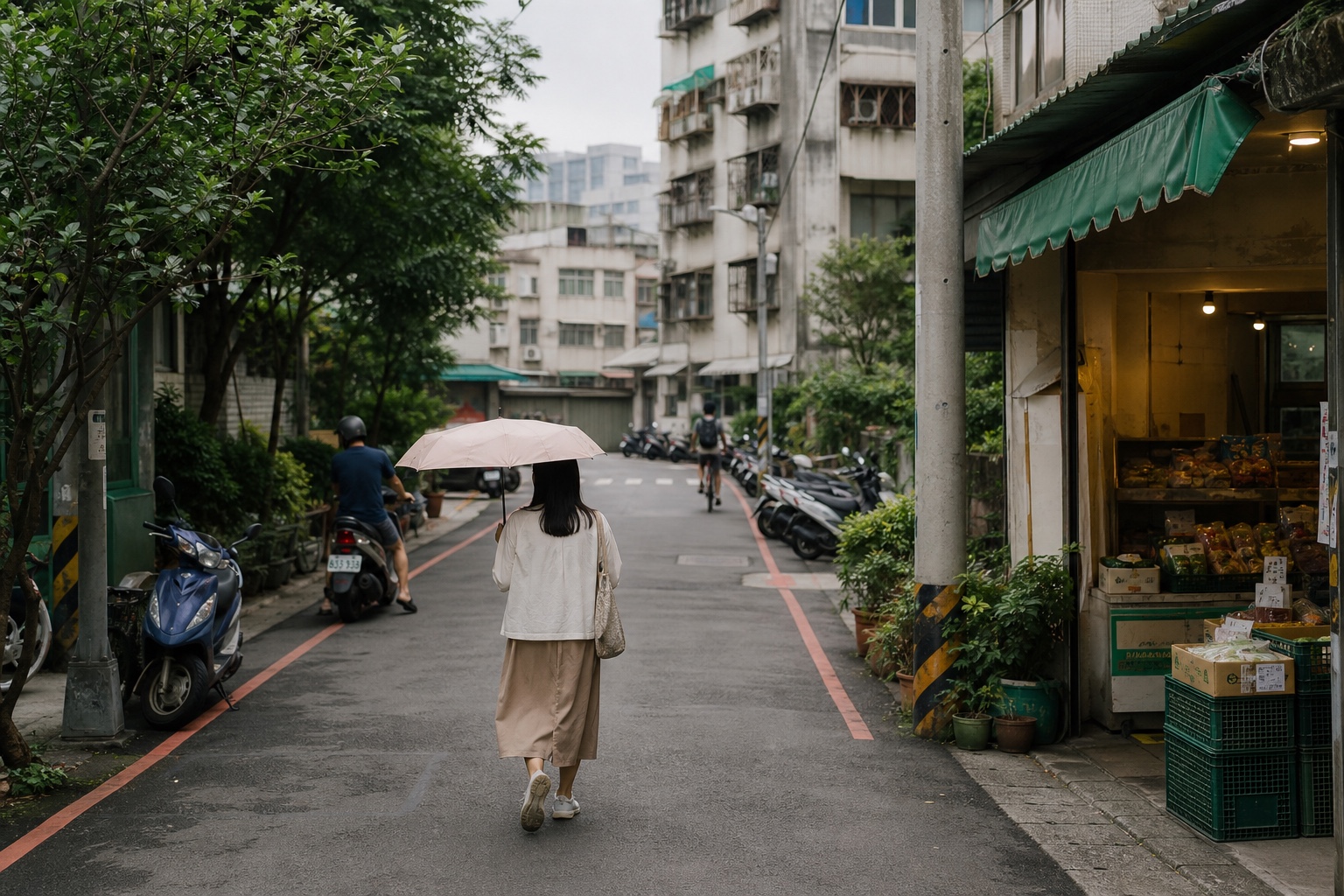
Haishan
BL04A neighborhood built right over the MRT — Tucheng's liveliest stop
Haishan is the liveliest stop on the Blue Line's Tucheng stretch. Step off the platform and you're already inside the Dayeh Plaza mall built directly over the station, with a supermarket, restaurants, drugstores, and a cinema all under one roof — useful on rainy days when you don't want to go far. It's not just a transit point; it's where a lot of daily life in Tucheng actually happens, from breakfast runs to evening movie dates.
Read the neighborhood analysis →
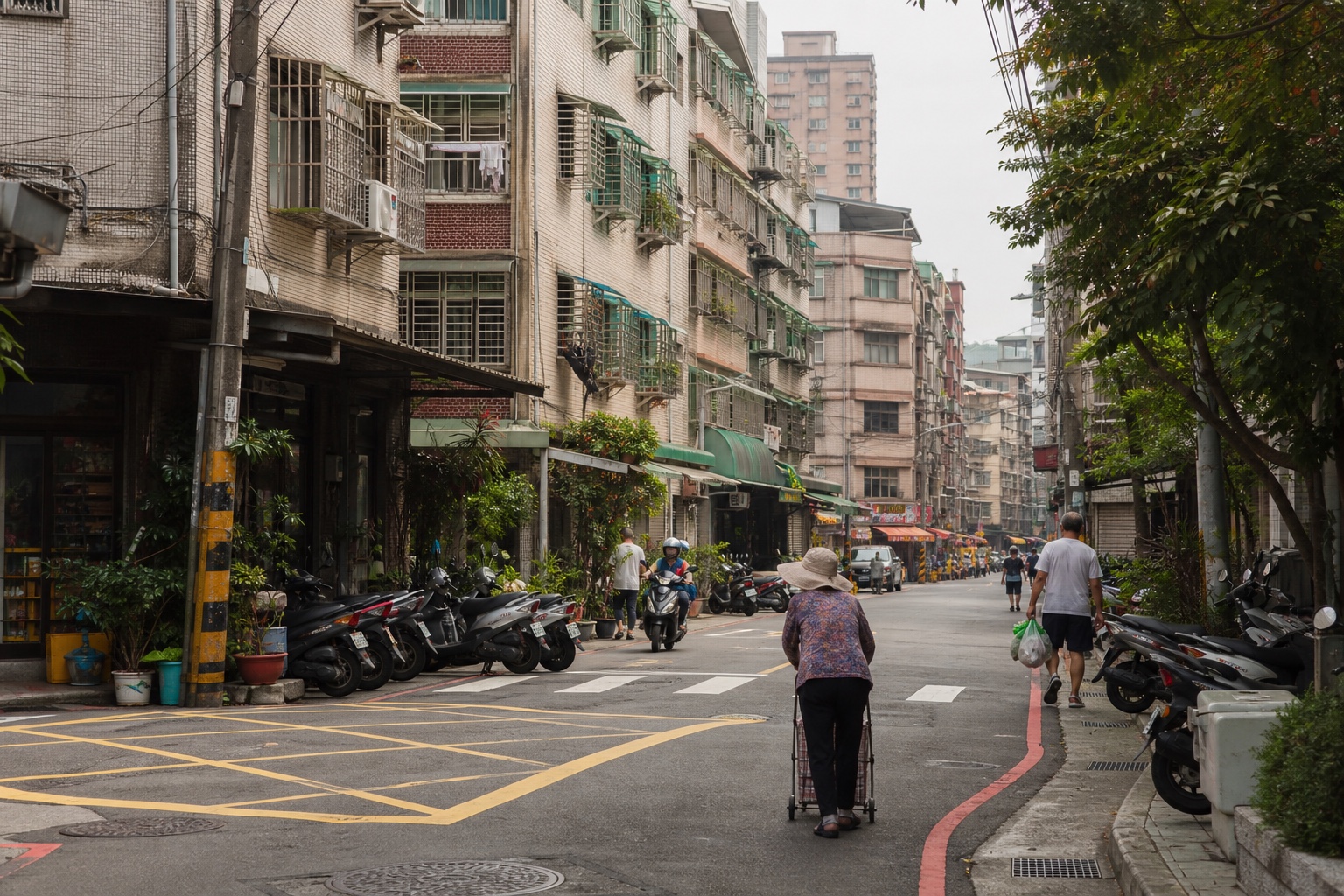
Tucheng
BL03Tucheng District's core station, mixing administration and daily life
Tucheng Station sits at the administrative and daily-life core of Tucheng District, with the district office, markets, and schools all within walking distance — a classic everything-nearby neighborhood. Compared to the mall-centric feel of Haishan, Tucheng Station is more grounded in ordinary local life, with a more human street scale.
Read the neighborhood analysis →
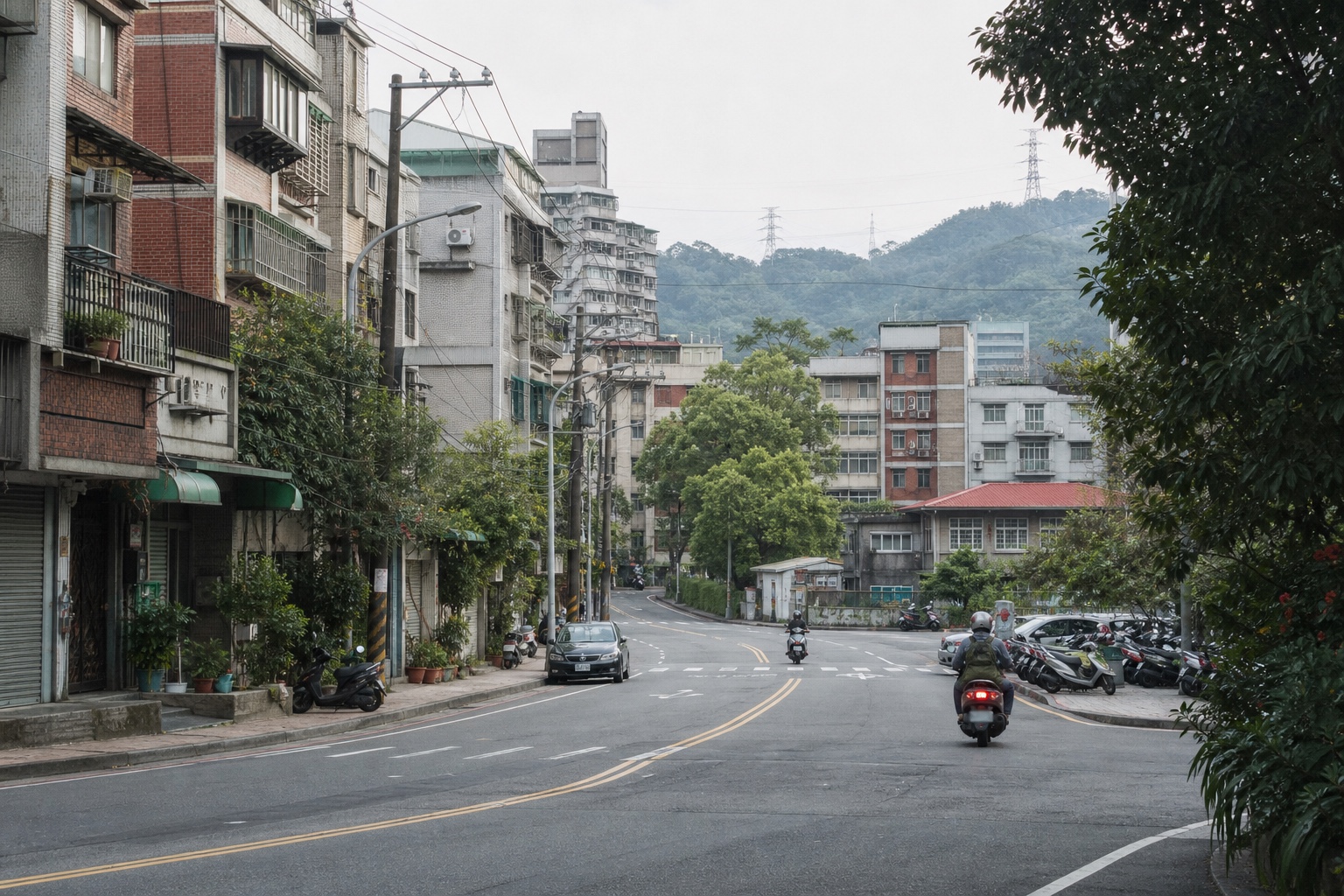
Yongning
BL02A quiet, residential-first station next to the Tucheng Industrial District
Yongning is one of the quieter stops on the Blue Line, surrounded mostly by residential communities with a lighter commercial footprint than Haishan or Tucheng Station. That quiet is exactly what some buyers are looking for — MRT access without the crowds of a busier station.
Read the neighborhood analysis →
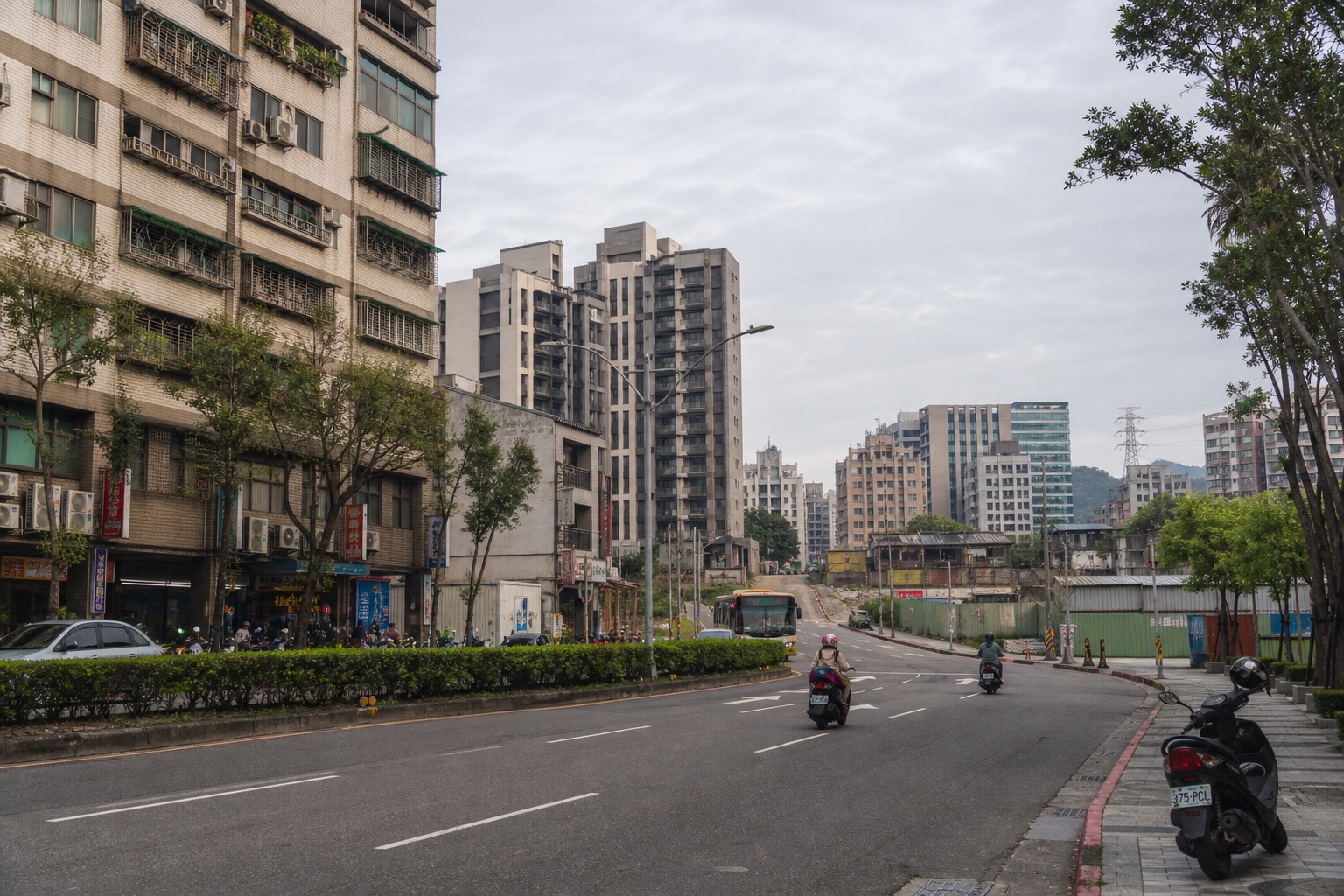
Dingpu
BL01The Blue Line's final stop, and a rising neighborhood anchored by a tech park
Dingpu is the final stop on the Blue Line and one of Tucheng's newer redevelopment districts. The Dingpu Technology Park (頂埔科技園區), including the area around Foxconn's headquarters, has accompanied new residential development, while visible construction and unfinished streetscapes still make this a neighborhood in progress.
Read the neighborhood analysis →
Banqiao7 neighborhoods
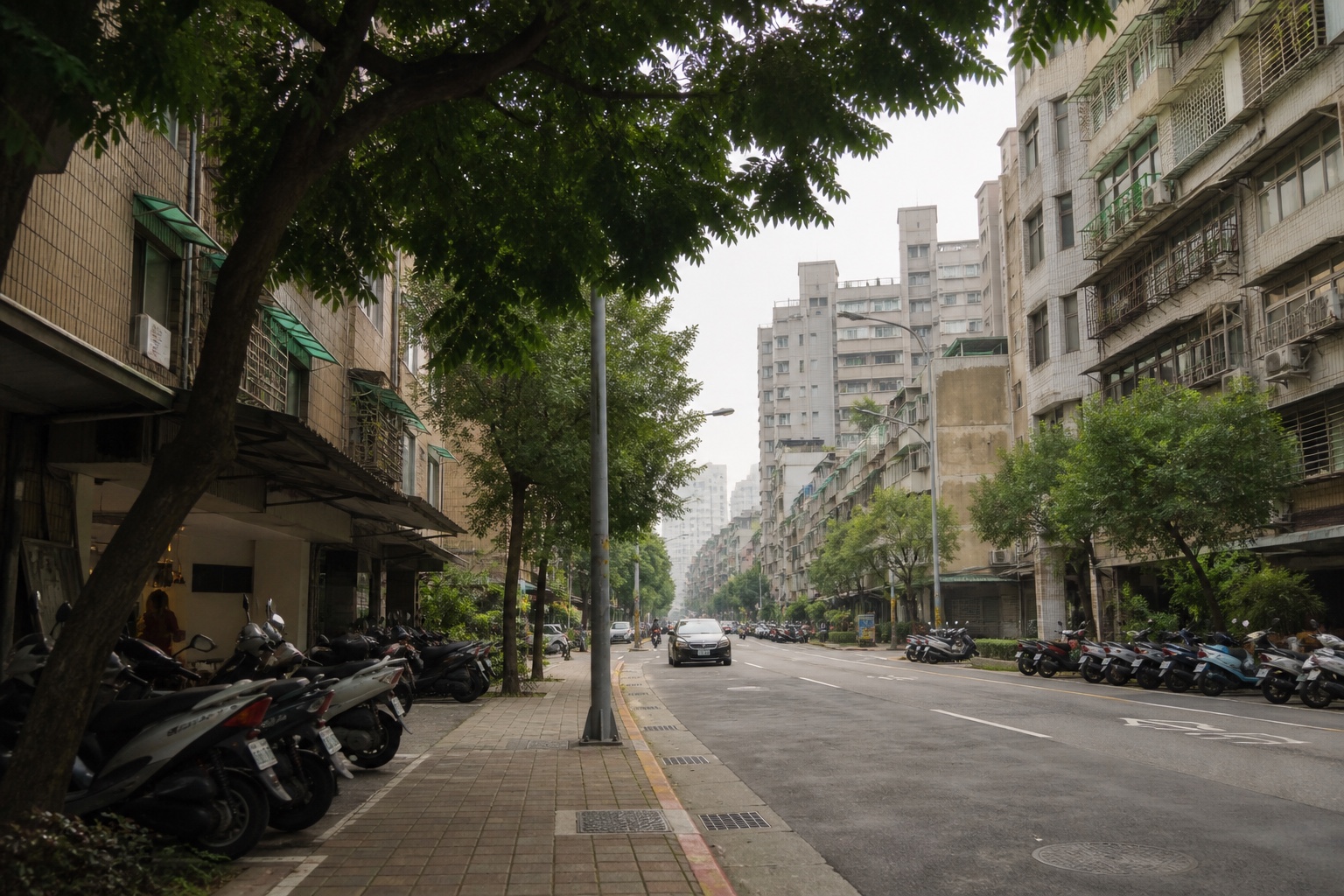
Jiangzicui
BL09The Blue Line stop closest to Taipei proper — riverside space with city convenience
Jiangzicui is the Banqiao station closest to Taipei on the Blue Line; the next stop is Longshan Temple in Taipei's Wanhua District. For people who work in Taipei but want to include New Taipei in their housing search, that location can shorten the cross-city commute; test the route at rush hour to judge the real difference.
Read the neighborhood analysis →
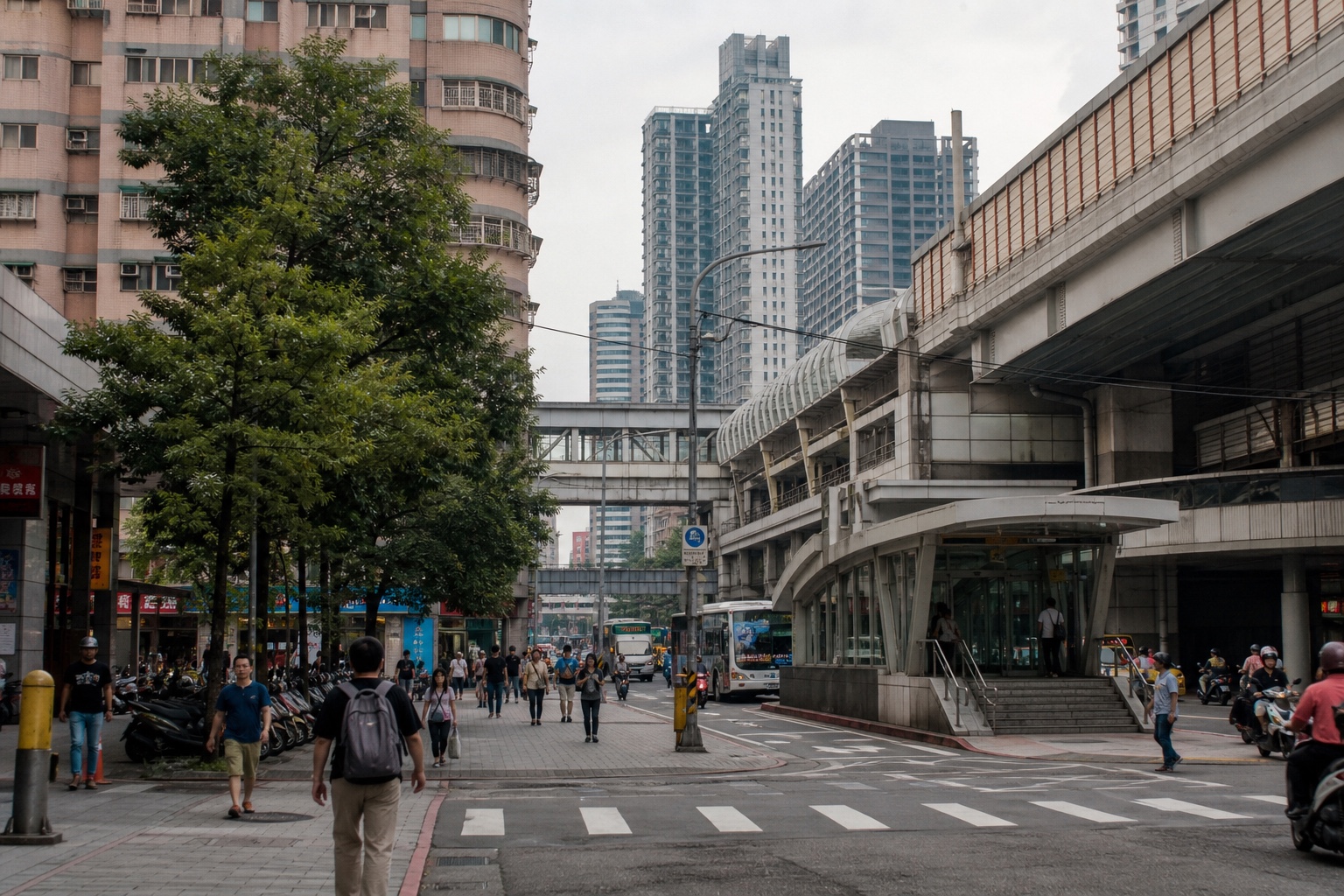
Banqiao
BL07Y16New Taipei's premier transit hub — MRT, rail, and high-speed rail all in one
Banqiao Station is New Taipei City's most important transit hub, combining the Blue Line, the Circular Line, Taiwan Railway, THSR, and a long-distance bus terminal all within one building complex — a genuine triple-rail interchange. That level of connectivity keeps prices around Banqiao Station among the higher in New Taipei, but with correspondingly stable demand.
Read the neighborhood analysis →
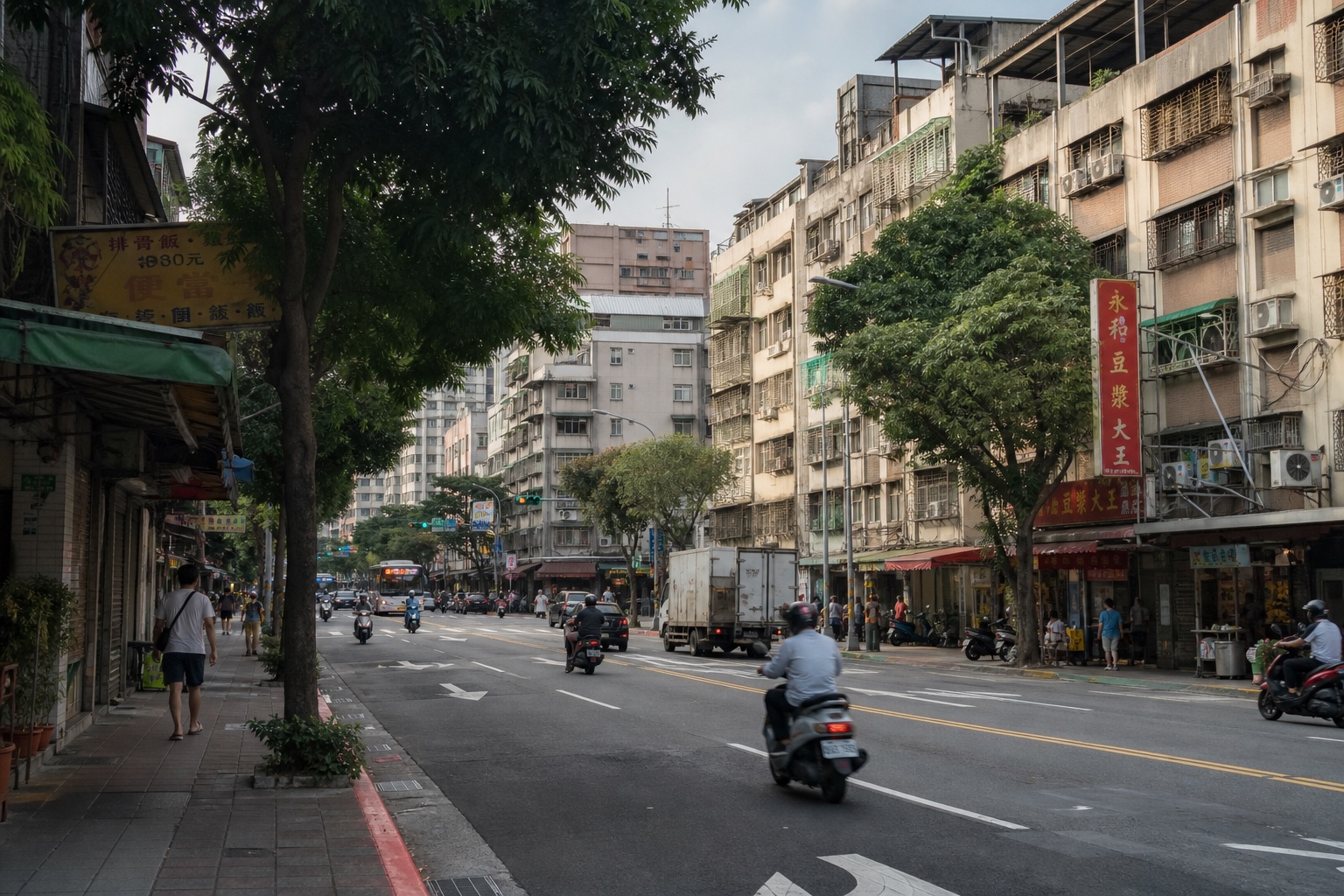
Fuzhong
BL06Lin Family Mansion and Banqiao's old town — new life in a historic core
Fuzhong Station sits right next to Banqiao's old town, with the historic Lin Family Mansion (林家花園) nearby — one of the district's oldest and most storied corners. The street scale and shop character here are worlds apart from the mall-driven feel around Banqiao Station itself, closer to the texture of an old Taiwanese neighborhood.
Read the neighborhood analysis →
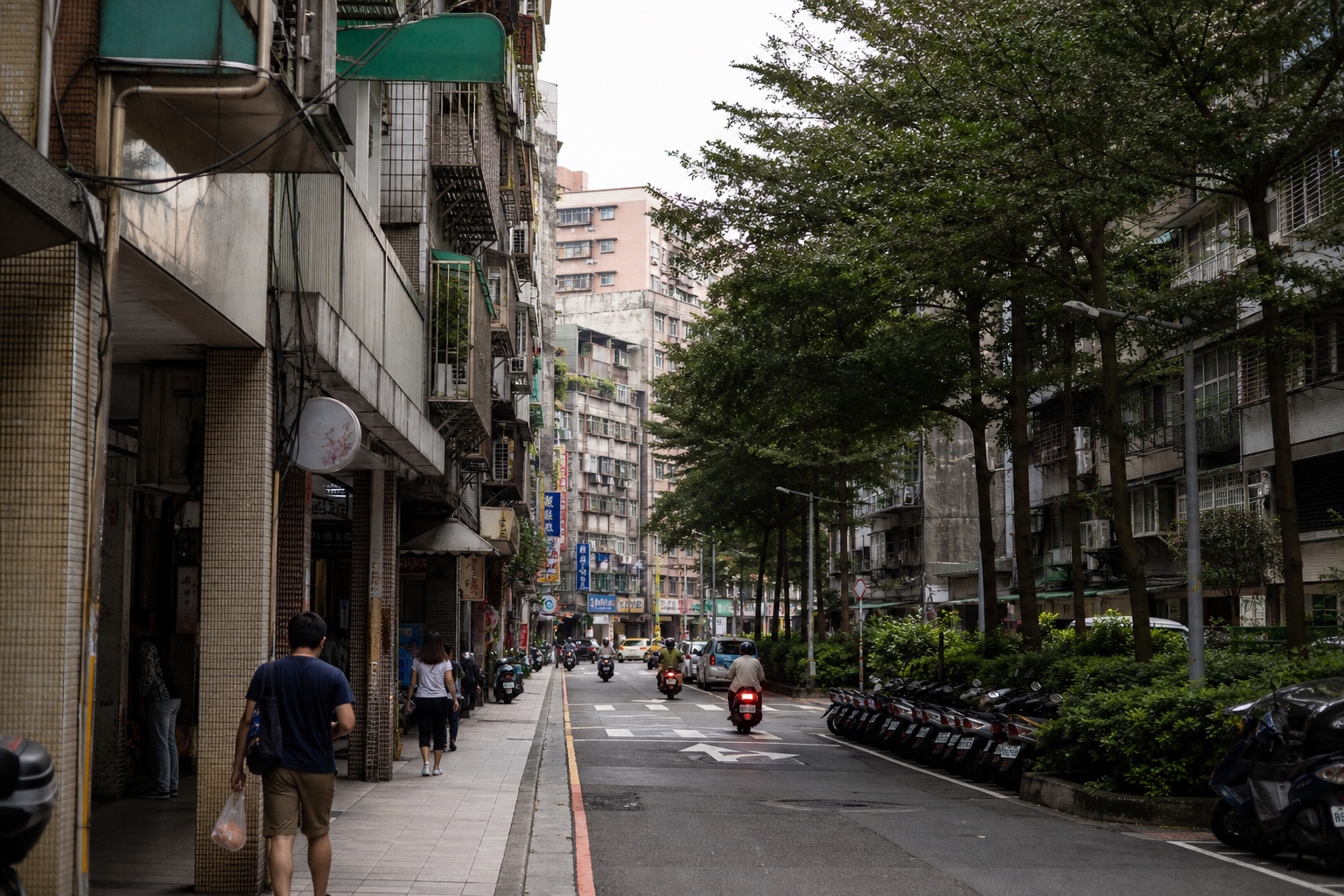
Xinpu
BL08A residential pocket tucked between Banqiao and Jiangzicui
Xinpu sits between Banqiao Station and Jiangzicui, borrowing amenities from both while staying quiet itself, with residential lanes and traditional markets as its own core character. Being close to both neighbors without being busy itself is what sets Xinpu apart.
Read the neighborhood analysis →
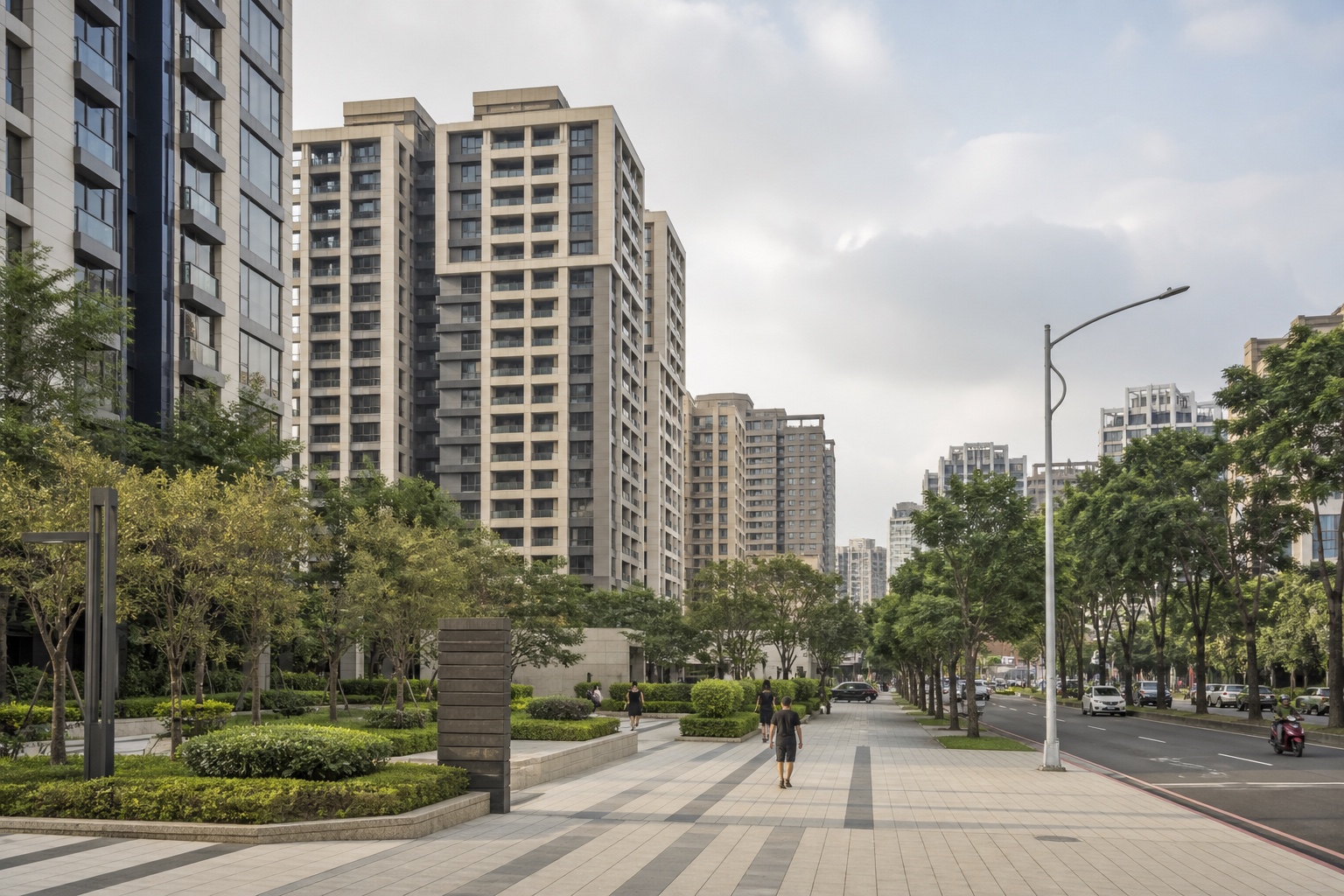
Xinban Special District
The planned district around Banqiao Station — New Taipei's priciest skyline
Xinban isn't an MRT station — it's the planned commercial and residential district built up around Banqiao Station through urban redevelopment, encompassing the area around landmarks like the New Taipei City Government building and Shin Kong Mitsukoshi. The district's high-rises and wide boulevards give it the most metropolitan skyline feel anywhere in New Taipei.
Read the neighborhood analysis →
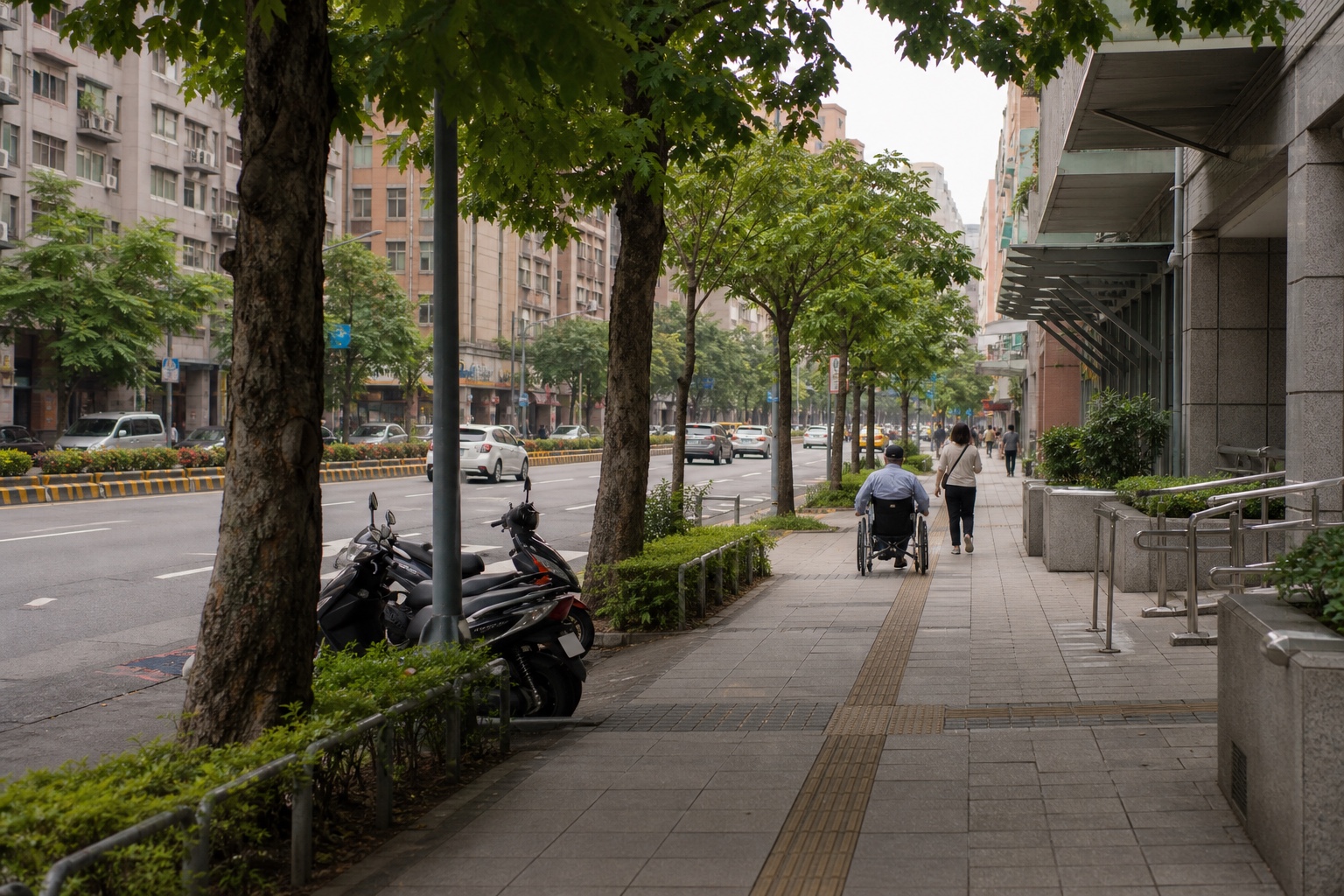
Far Eastern Hospital
BL05A hospital-centered stop with a direct Blue Line ride toward Taipei
Far Eastern Hospital is Blue Line stop BL05 on Nanya South Road in Banqiao, beside Far Eastern Memorial Hospital itself. The station's clearest lifestyle advantage is not a major mall but access to medical care and hospital visits: the hospital's own guidance points visitors to Far Eastern Hospital Station and Exit 3.
Read the neighborhood analysis →
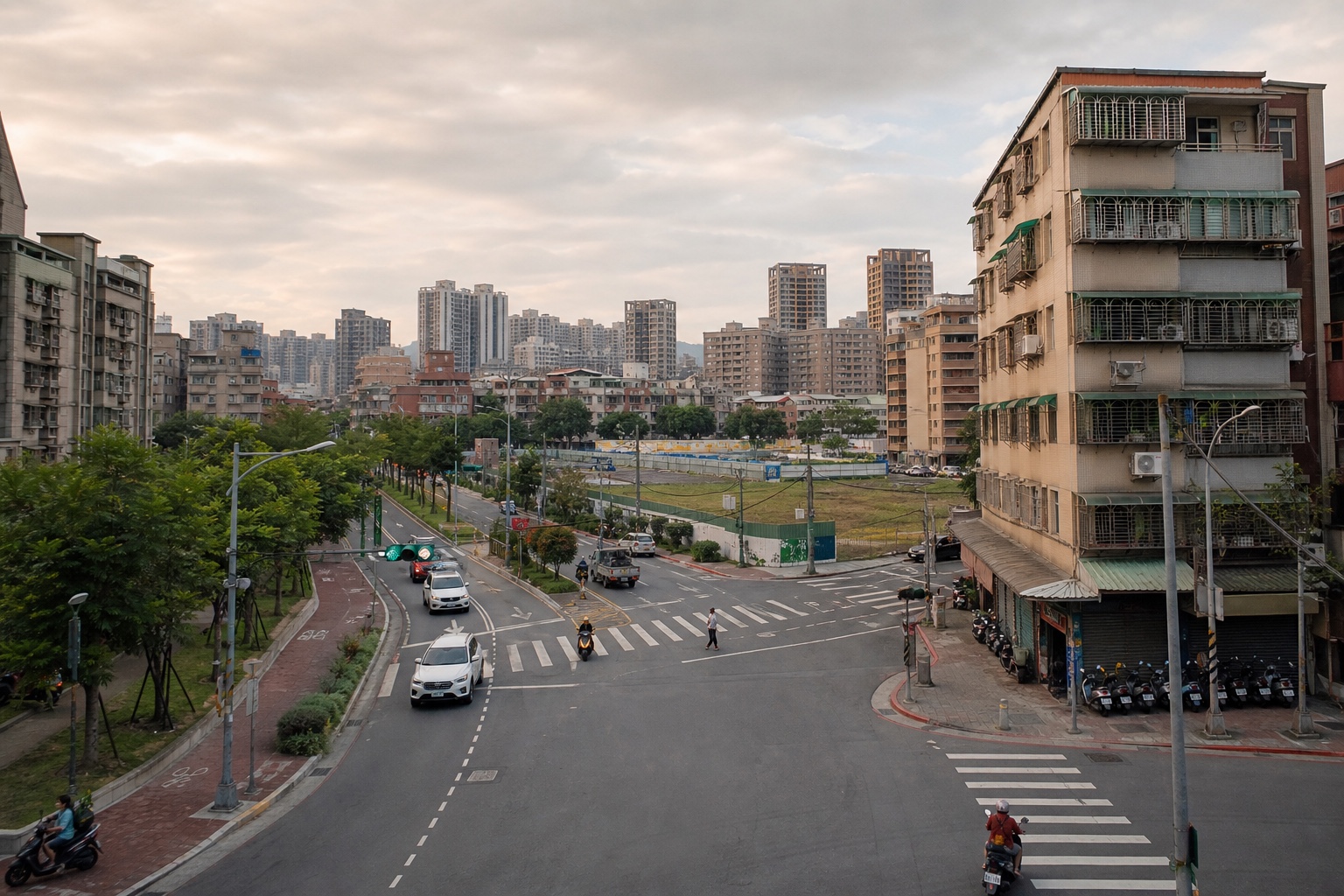
Banxin
Y15A Circular Line stop on Xinban's edge, one stop from Banqiao's hub
Banxin is Circular Line stop Y15 at No. 109, Banxin Road, Banqiao, with Banqiao Station Y16 one stop away. New Taipei City describes the station area as an extension of the New Banqiao Special District's residential, employment, shopping, and office services. The useful distinction is 'near Xinban, but not the Banqiao Station core.'
Read the neighborhood analysis →
Zhonghe6 neighborhoods
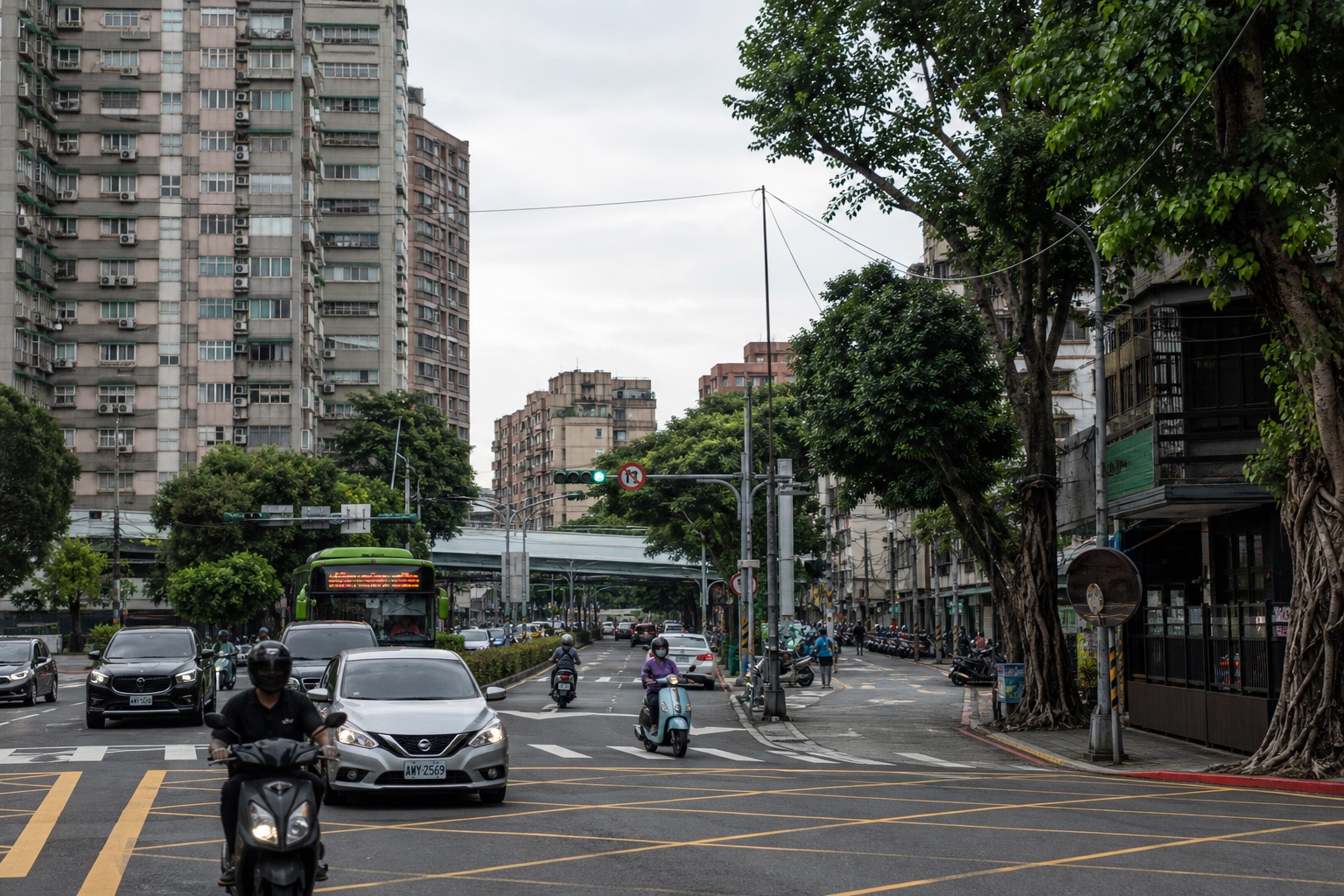
Jing'an
O02Y11A two-line interchange transformed by the arrival of the Circular Line
Jing'an is where the Zhonghe-Xinlu Line meets the Circular Line, and that dual-line status changed the station's standing in Zhonghe entirely once the Circular Line opened. It used to be primarily an exit route toward Guting and Taipei; now it also offers a direct sideways connection into other parts of New Taipei City, which has opened up far more commuting options for residents.
Read the neighborhood analysis →
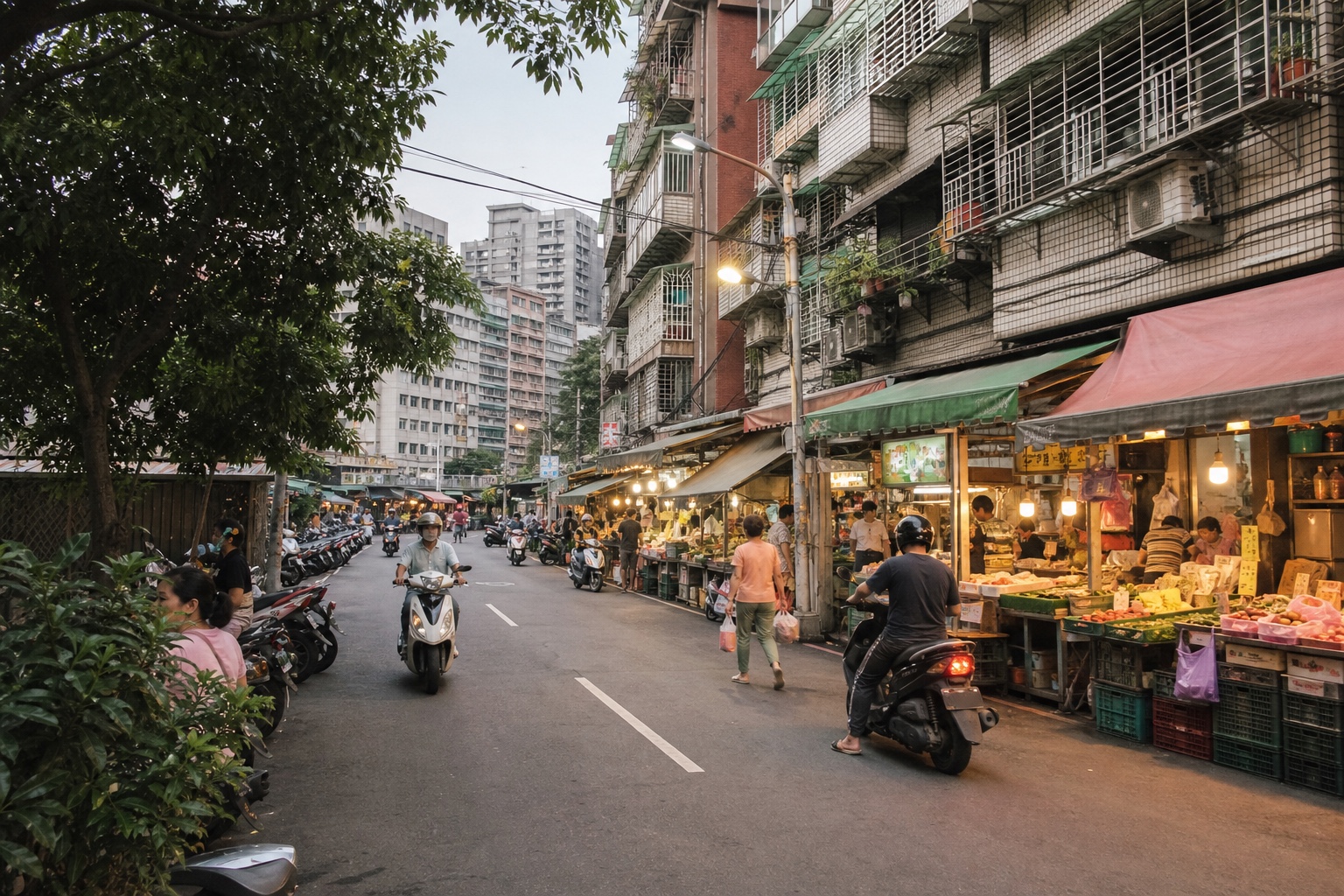
Nanshijiao
O01The Orange Line's terminus, where night markets meet hiking trails
Nanshijiao is the terminus of the Orange Line and one of the most vibrant, lived-in stations in Zhonghe District. The Xingnan Night Market (興南夜市) sits right around the station, packed with food stalls and crowds every evening — a regular weekend destination for locals across the district.
Read the neighborhood analysis →
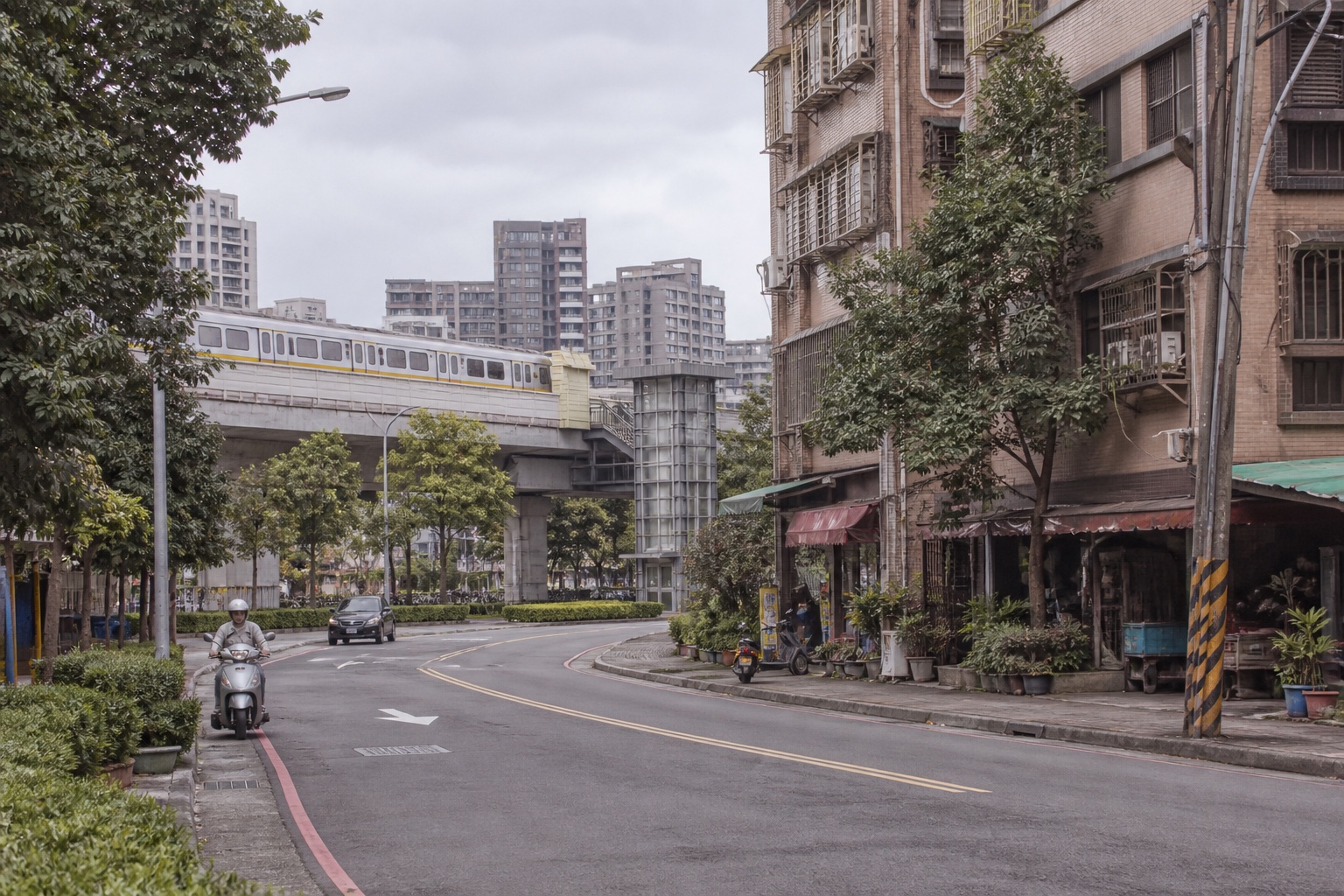
Zhongyuan
Y14A quiet residential stop that got a new lease on life from the Circular Line
Zhongyuan only gained MRT service once the Circular Line opened — before that, residents here relied mostly on buses or scooters. The shift from no rail access to having one is really the defining story of this station, and it's clearly improved commuting flexibility for the neighborhood.
Read the neighborhood analysis →
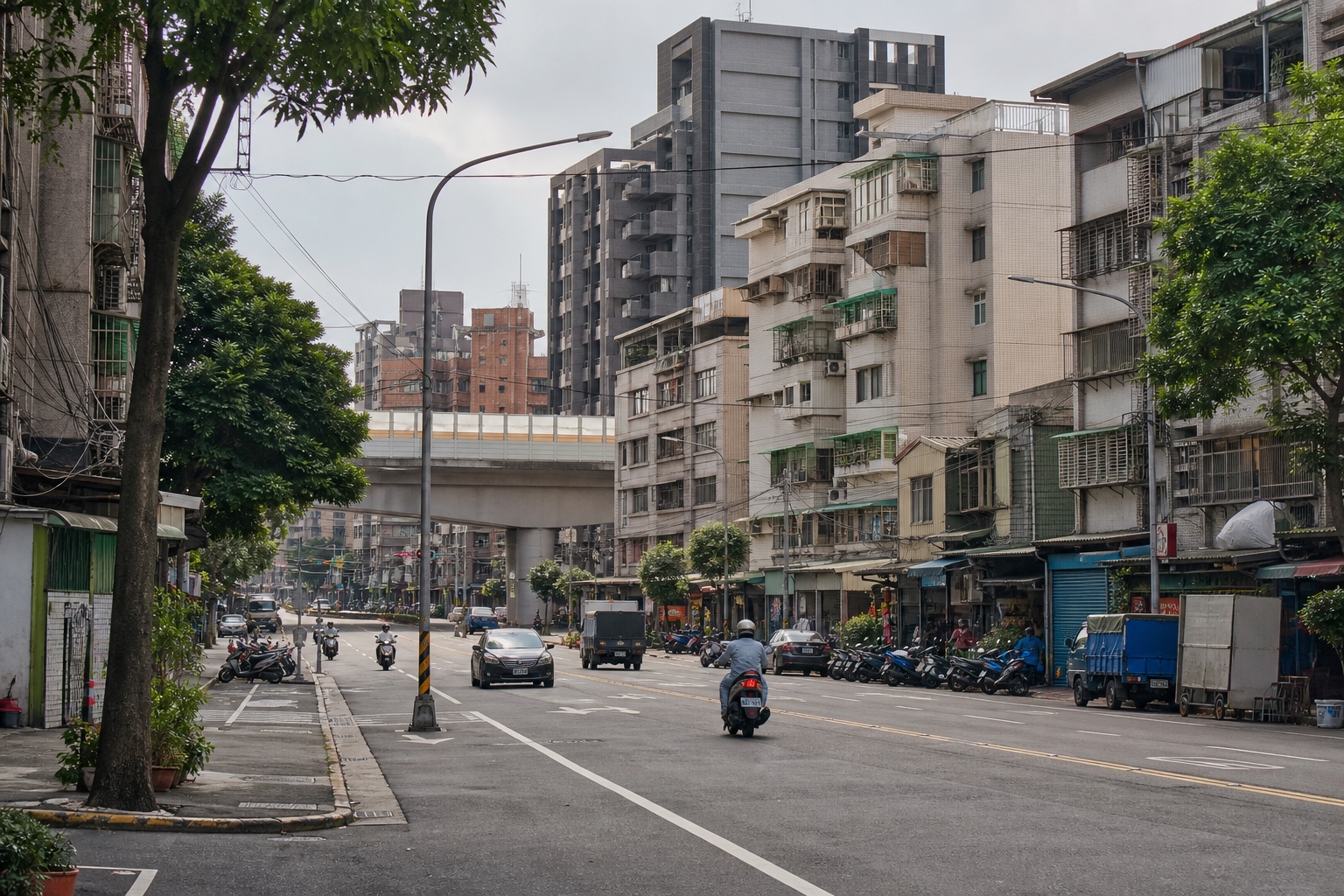
Qiaohe
Y13A quiet Circular Line stop on Zhonghe's outer edge
Qiaohe is another station that only gained rail service once the Circular Line opened, sitting toward the outer edge of Zhonghe with a mostly residential surrounding and a simpler commercial footprint than stations like Jing'an or Nanshijiao. The overall feel here is quiet, suiting people who don't need to be near a busy commercial strip.
Read the neighborhood analysis →
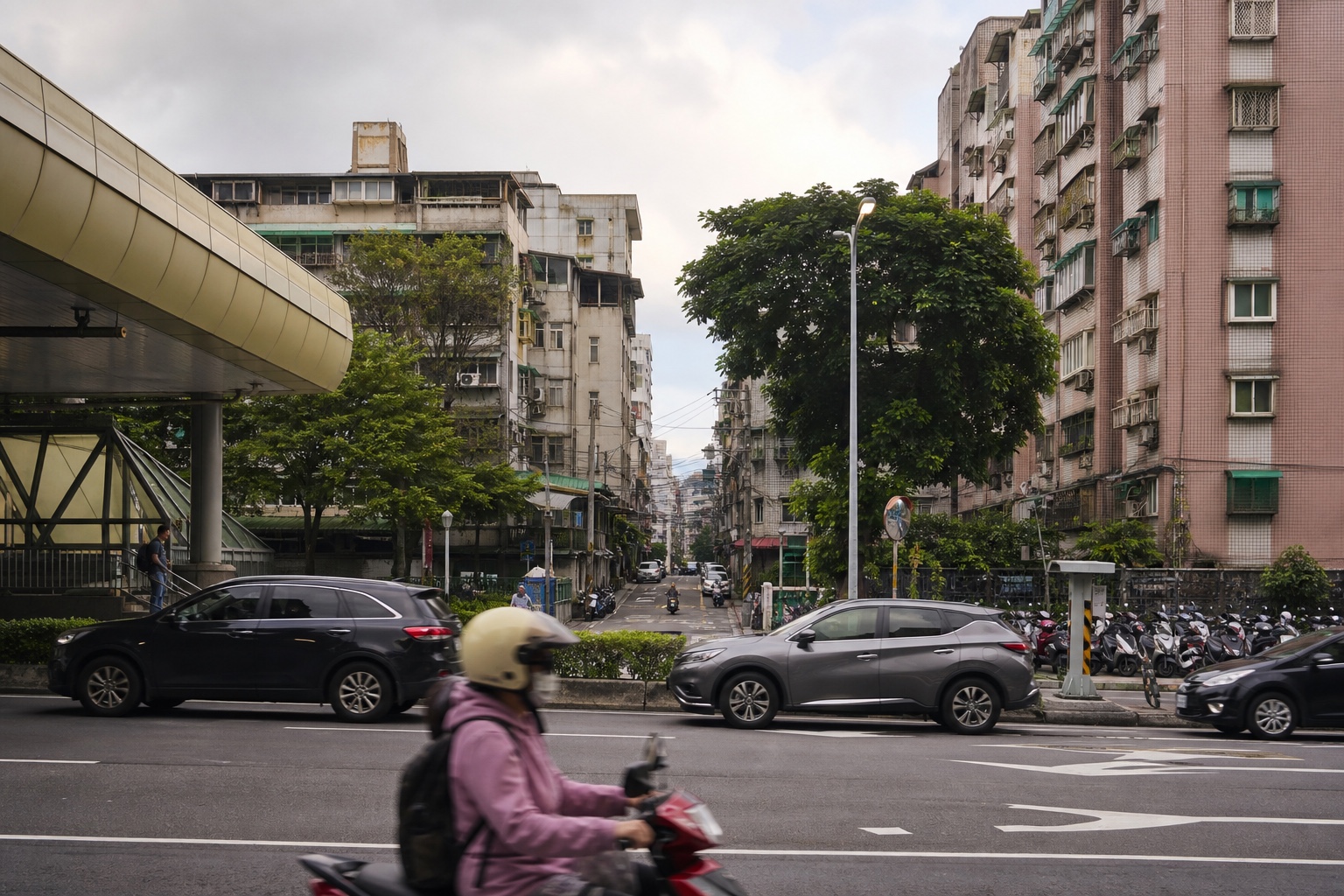
Zhonghe
Y12A Circular Line residential node at the Zhongshan–Jingping crossroads
Zhonghe is Circular Line stop Y12, located at the official station address where Section 2 of Zhongshan Road meets Jingping Road, with one main entrance. It is not a two-line interchange; for the Zhonghe-Xinlu Line, Jing'an Station usually needs to be part of the route plan. The point here is east-west connectivity and local daily life, not an in-station transfer.
Read the neighborhood analysis →
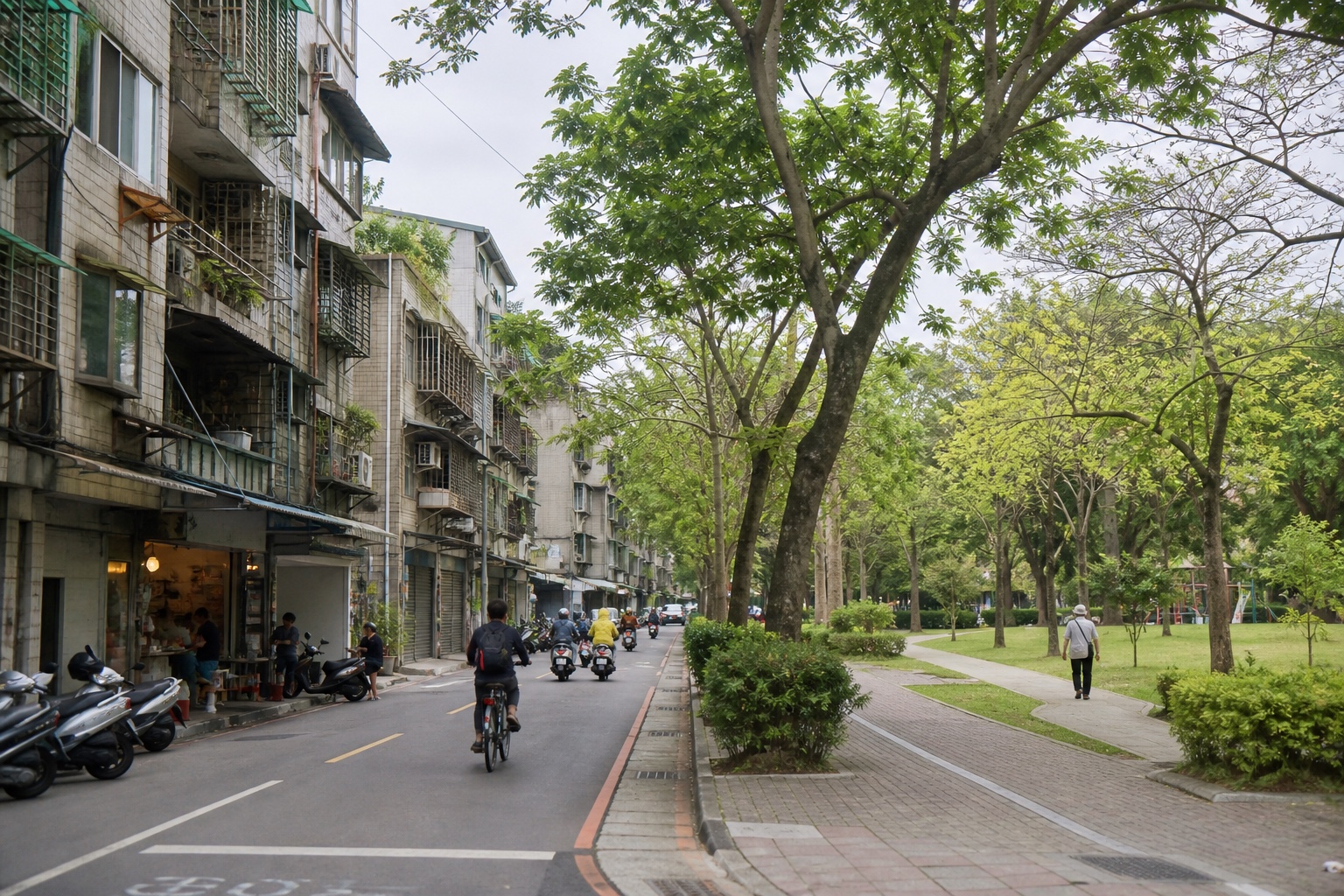
Yongan Market
O03An established neighborhood beside Number Four Park and the National Taiwan Library
Yongan Market is Zhonghe-Xinlu Line stop O03 at No. 388, Zhonghe Road. Its defining lifestyle asset is not the station name itself but Number Four Park and the National Taiwan Library inside it. New Taipei's park information calls the park a representative Zhonghe–Yonghe green space, and the library's own access page says it is about a five-minute walk from Yongan Market Station.
Read the neighborhood analysis →
Ask Joanna
Questions people actually ask
These are the questions Joanna gets most often. Don't see yours? Just send it over.
Is now a good time to buy?
Honestly, no one can guarantee that "now" is the best moment — the market moves with interest rates, policy, and supply. Instead of trying to time it perfectly, I'd rather help you check whether your finances, your reasons for buying, and the neighborhood you want are actually ready. If those line up, then it's the right time for you specifically. Happy to talk through your situation whenever you're ready.
How much budget do I need to buy in Tucheng, Banqiao, or Zhonghe?
It really depends on the specific area, building age, size, and whether you need parking — the range is wide, and a unit in Banqiao's newer 新板特區 district prices very differently from an older walk-up in Tucheng. Rather than throw out one generic number, I'd rather start from your down payment and comfortable monthly payment, then use actual price registration (實價登錄) data to narrow down a realistic range together.
Where should I even start with a first home purchase?
I usually suggest starting with two questions — what you can actually afford, and what neighborhood you want to live in — rather than jumping straight into viewings. Once you know your likely loan amount and how much down payment you've got ready, you can filter areas by what matters most to you, like commute or school district, and viewings become much more efficient. It's completely normal to have a lot of questions the first time around — I'm happy to walk through it with you step by step.
How do your service fees work?
For a sale, total brokerage remuneration charged to buyer and seller cannot exceed six percent of the actual transaction price. That is a maximum, not a fixed rate; the actual amount is agreed in the contract. Feel free to reach out and I'll explain how it applies to your situation, with no hidden costs.
Not sure which area fits? Tell Joanna how you live.
You don't need to be 'ready' to reach out. Message Joanna anytime — buying, selling, or just trying to understand the market.